
5 Ways to Teach Your Kids Awareness at Home
When it comes to keeping kids safe, awareness is one of the most important skills they can develop. While martial arts training plays a powerful role in building this skill, what happens at home matters just as much.
The good news? Teaching situational awareness doesn’t have to be complicated or intimidating. In fact, some of the most effective lessons happen through simple, everyday moments.
By intentionally building awareness at home, you can help your child become more observant, confident, and prepared—without creating fear or anxiety.
Here are five practical ways to start.
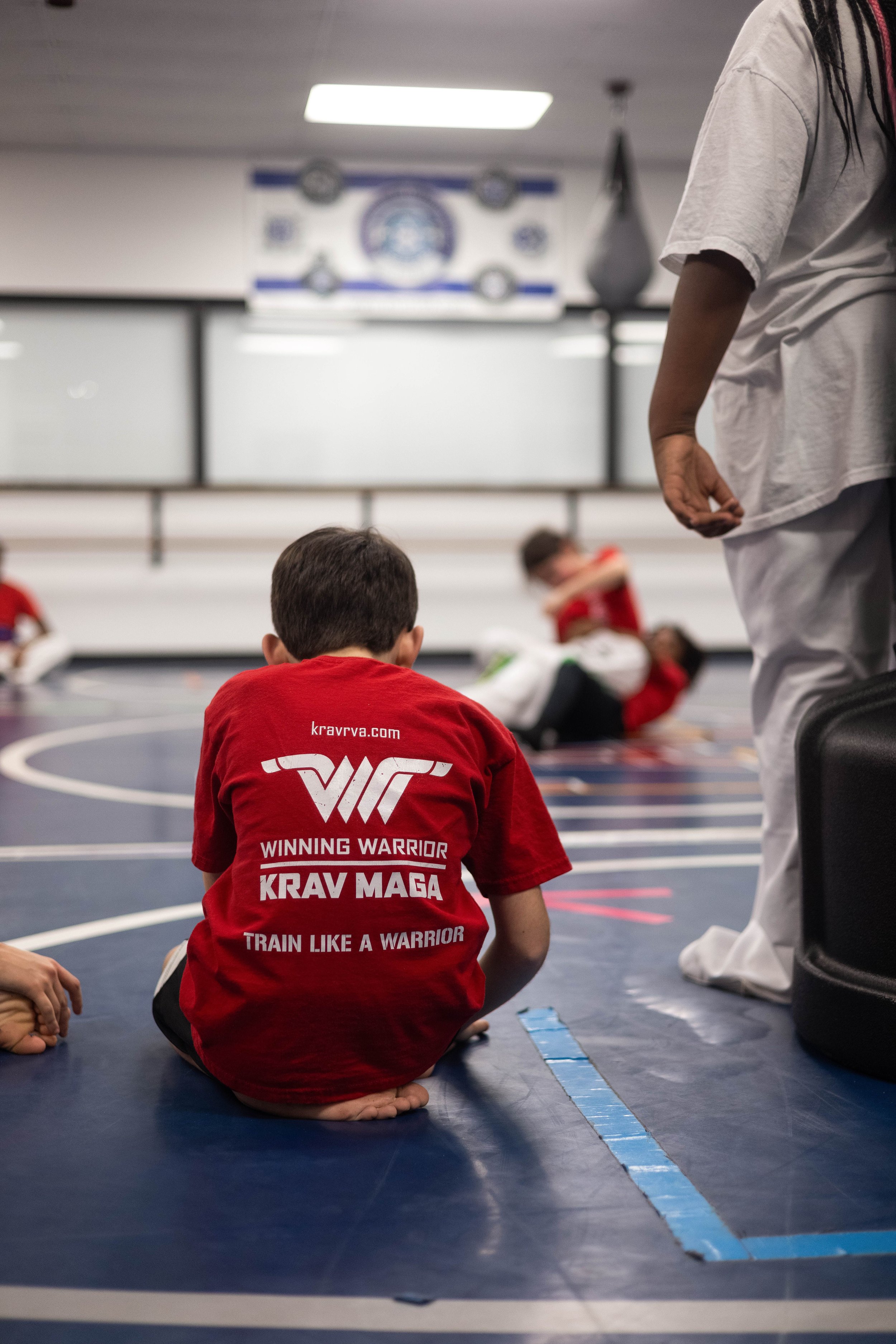
1. Encourage “Eyes Up” Habits
One of the biggest challenges today is distraction—especially from screens. Teaching kids to keep their “eyes up” is a simple but powerful foundation for awareness.
At home, this can look like:
Asking your child to pause devices when walking from room to room
Practicing eye contact during conversations
Encouraging them to notice what’s happening around them
You can even turn it into a game: ask your child to describe what they noticed in a room after walking through it.
This helps train their brain to observe instead of tune out.
2. Play Simple Awareness Games
Kids learn best through play, and awareness is no different. Turning awareness into a game keeps it fun and engaging.
Try activities like:
“What changed?” – Move or remove an object in a room and see if they notice
“Who’s around?” – Ask them to describe people nearby in a safe setting
Memory challenges – Have them recall details about places you’ve just been
These games strengthen observation skills and attention to detail without feeling like a lesson.
3. Talk Through “What If” Scenarios
Helping kids think ahead builds confidence and decision-making skills. You don’t need to create scary situations—just simple, realistic scenarios.
For example:
“What would you do if you couldn’t find me in a store?”
“Who would you go to for help?”
“What if someone made you feel uncomfortable?”
These conversations teach kids to pause, think, and respond instead of freezing or panicking.
The goal is to build confidence, not fear.
4. Teach Them to Trust Their Instincts
Kids often sense when something feels “off,” but they may not always know it’s okay to act on that feeling.
At home, reinforce that their instincts matter.
You can say things like:
“If something doesn’t feel right, you can always come to me.”
“It’s okay to walk away from something that makes you uncomfortable.”
“You don’t have to be polite if you feel unsafe.”
This helps kids understand that their safety comes first—and that they have permission to listen to themselves.
5. Practice Awareness in Everyday Routines
Awareness doesn’t need to be a separate lesson—it can be built into your daily life.
Look for natural opportunities, like:
Pointing out exits when you enter a building
Noticing who is nearby at parks or stores
Asking your child to stay close and aware in public spaces
Talking about safe places and safe adults
The more consistently kids practice awareness, the more automatic it becomes.
Over time, they begin to move through the world with confidence and clarity.
Building Awareness That Lasts
Teaching awareness at home isn’t about making kids hyper-alert or anxious. It’s about helping them feel capable, prepared, and confident in their surroundings.
When kids develop awareness early, they:
Make safer choices
Respond more calmly in new situations
Feel more confident navigating the world
Build independence in a healthy, supported way
These are life skills that extend far beyond childhood.
Reinforcing Awareness Through Training
While home is the foundation, structured training helps take awareness to the next level.
At Win Martial Arts, kids practice awareness in real-time through movement, drills, and guided instruction. They learn how to stay focused, recognize changes in their environment, and respond appropriately—all in a safe and supportive setting.
When awareness is reinforced both at home and in training, it becomes second nature.
Final Thoughts
Situational awareness isn’t something kids are born with—it’s something they learn and practice over time.
By incorporating small, intentional habits into your daily routine, you can help your child develop awareness in a way that feels natural and empowering.
Because safety doesn’t start in a moment of danger.
It starts with awareness—built one small habit at a time.
