
How Training Together Improves Communication at Home
Strong families aren’t built by accident—they’re built through connection, consistency, and communication. But in today’s fast-paced world, communication at home can easily break down. Between busy schedules, school demands, work stress, and constant distractions, it’s not always easy for families to slow down and truly connect.
That’s why shared activities matter. And not just any activity—but one that builds focus, respect, and teamwork.
At Win Martial Arts, we often hear the same thing from parents: “Something feels different at home.”
Conversations are calmer. Kids are listening more. There’s more patience, more understanding, and less conflict.
That’s because training together doesn’t just build strength—it builds communication.
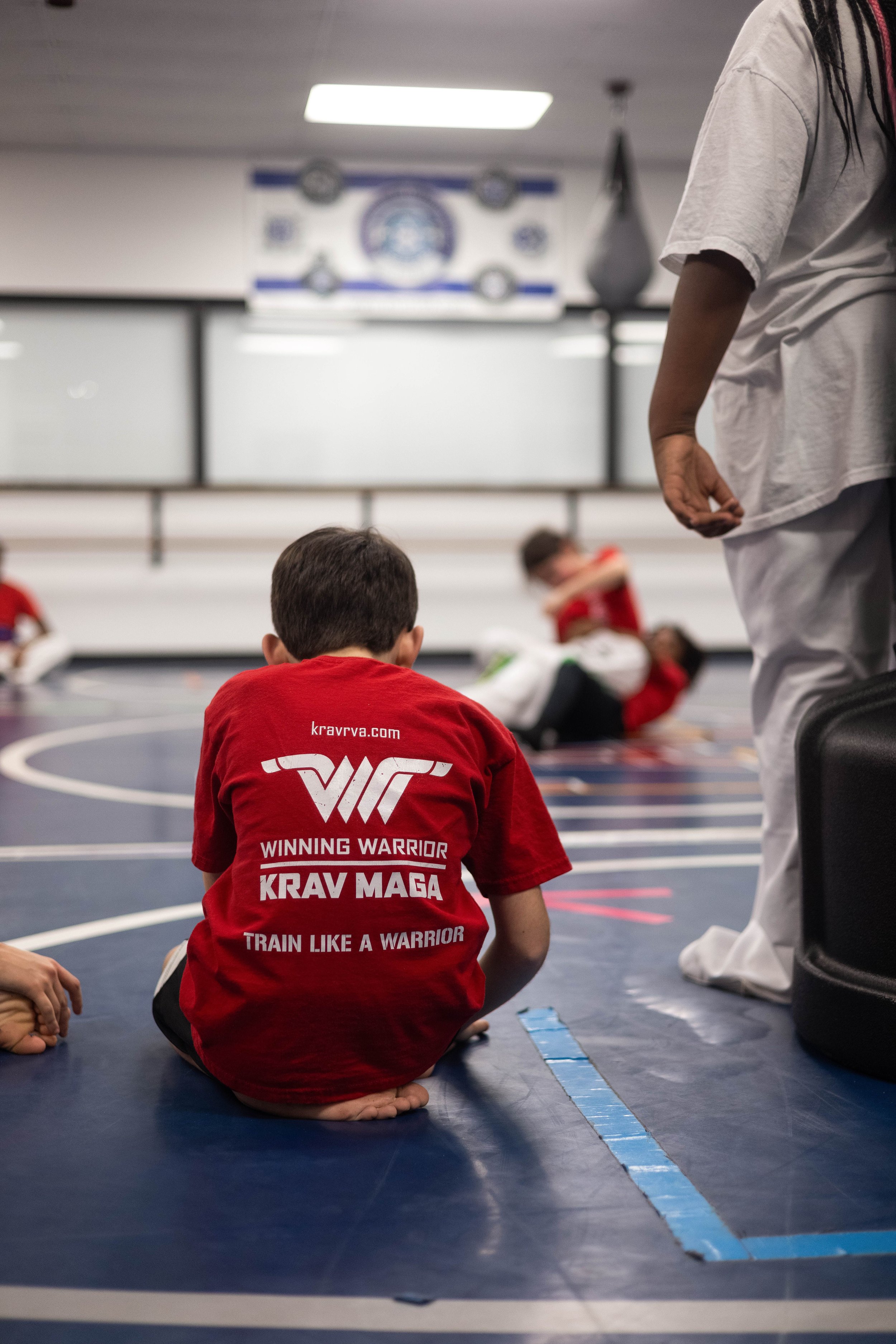
Shared Experiences Create Real Connection
One of the biggest barriers to communication is lack of shared experience. When family members are all doing different things, it can be hard to relate to one another.
Training together changes that.
On the mat, families:
Learn new skills side by side
Face challenges together
Celebrate progress together
Encourage one another
Instead of asking, “How was your day?” and getting a one-word answer, parents and kids now have something real to talk about.
“Did you finally get that technique?”
“That drill was tough today—how did it feel for you?”
These small conversations create deeper connection over time.
Listening Becomes a Habit
Good communication starts with listening—but listening is a skill that has to be practiced.
In martial arts training, students are constantly working on:
Paying attention to instructions
Waiting their turn
Responding appropriately
Staying focused even when distracted
When families train together, everyone is practicing these skills at the same time.
That consistency matters.
Parents often notice:
Kids listening more the first time they’re asked
Less interrupting
More thoughtful responses
Better focus during conversations
Listening becomes less of a battle—and more of a natural behavior.
Respect Shows Up in Daily Conversations
Respect is one of the core values reinforced in every class. It’s not just something students are told—it’s something they practice consistently.
That respect carries home.
Instead of reacting emotionally or talking over one another, families begin to:
Speak more calmly
Use more thoughtful language
Show patience during disagreements
Give each other space to be heard
When respect becomes part of everyday interaction, communication improves without forcing it.
Handling Conflict More Calmly
Every family has disagreements—it’s part of life. But how those disagreements are handled makes all the difference.
Through training, kids (and parents) learn how to manage emotions under pressure. They experience frustration, fatigue, and challenge in a controlled environment—and learn how to respond without losing control.
That translates directly into home life.
Instead of:
Quick reactions
Raised voices
Emotional shutdowns
Families begin to see:
Pausing before reacting
More calm problem-solving
Faster recovery after disagreements
Better emotional control
It’s not about eliminating conflict—it’s about handling it better.
Confidence Makes Communication Easier
Confidence plays a huge role in how kids communicate.
Kids who lack confidence may:
Avoid speaking up
Struggle to express themselves
React emotionally instead of clearly
As kids build confidence through training, communication improves naturally.
They begin to:
Speak more clearly
Express their thoughts more openly
Ask for help when needed
Stand up for themselves respectfully
Confident kids don’t just communicate more—they communicate better.
Creating a Family Culture of Growth
One of the most powerful outcomes of training together is the culture it creates at home.
Instead of focusing on perfection or criticism, families begin to focus on:
Effort
Progress
Consistency
Encouragement
That shift changes how families talk to each other.
“You didn’t get it yet—but you’re getting better.”
“Keep trying—you’ve done hard things before.”
This kind of language builds trust, resilience, and stronger communication over time.
Stronger Communication Starts With Shared Effort
At Win Martial Arts, we believe that communication isn’t just something you talk about—it’s something you build.
Training together gives families the opportunity to:
Practice listening
Build respect
Manage emotions
Encourage one another
Grow together
And those skills don’t stay on the mat.
They show up at the dinner table, during homework, in conversations, and in the everyday moments that make up family life.
Final Thoughts
If you’re looking for a way to strengthen communication at home, start with something simple: spend time growing together.
Because when families train together, they don’t just get stronger physically.
They learn how to listen, support, and communicate in a way that brings them closer—both on and off the mat.
