
Why Learning to Handle Frustration Is a Superpower for Kids
Every parent has seen it happen.
A homework problem feels too hard. A game isn't going their way. A sibling pushes the wrong button. They don't make the team, get the grade they wanted, or master something as quickly as they expected.
Then come the words: "I can't do it."
Frustration is a normal part of childhood. In fact, it's a normal part of life. The goal isn't to prevent kids from ever feeling frustrated. It's to help them learn what to do when frustration shows up.
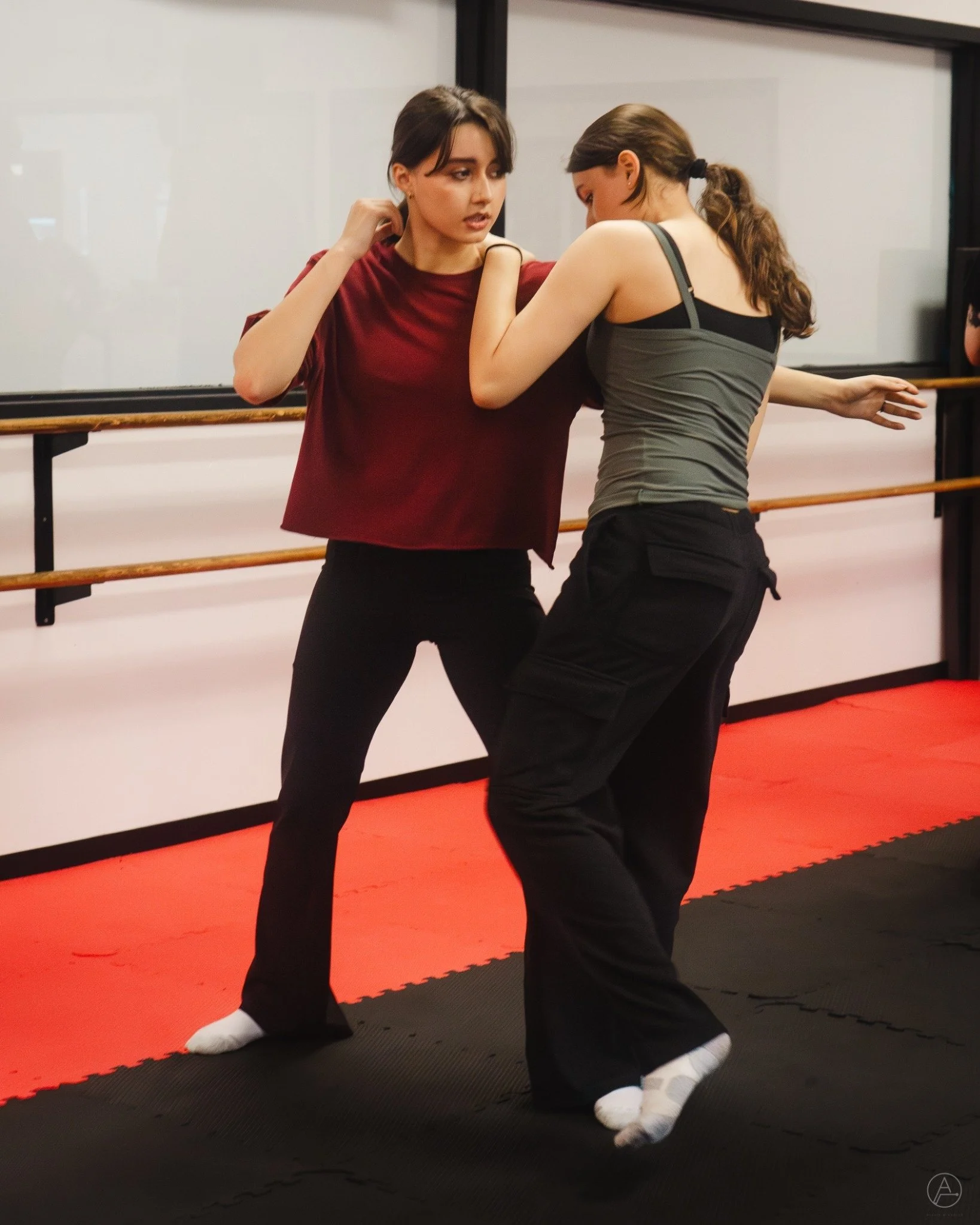
At WIN Martial Arts, that's one of the reasons we believe appropriate challenges are so valuable for children. On the mat, students have opportunities to struggle, make mistakes, try again, and discover that a difficult moment doesn't have to determine what happens next.
Kids Need Opportunities to Struggle Safely
As parents and adults who care about children, our instinct is often to make things easier when we see a child struggling.
Sometimes they absolutely need our help.
But other times, a little struggle is exactly where growth begins.
Think about learning a new martial arts technique. A student may watch the instructor demonstrate it and then discover that doing it themselves is much harder than it looked.
Their feet aren't in the right position. They forget the next step. Their partner gets it before they do.
That's frustrating.
It's also an opportunity.
Instead of immediately deciding, "I'm bad at this," students can learn to think, "I don't have it yet."
That one word, yet, can make a big difference.
Frustration Doesn't Have to Mean Quitting
One of the most important lessons children can learn is that being uncomfortable doesn't always mean something is wrong.
Sometimes it simply means they're learning.
At WIN Martial Arts, our philosophy is:
WIN = Work, Improve & Never Quit.
That doesn't mean never taking a break or asking for help. It means learning not to give up simply because something doesn't come easily.
Students learn to take instruction, make an adjustment, and try again.
Maybe the next attempt still isn't perfect. That's okay.
Progress doesn't require perfection. It requires continuing to work.
Learning to Reset
Handling frustration isn't just about perseverance. It's also about emotional control.
When kids become overwhelmed, it can be difficult for them to make good decisions. They might yell, shut down, lash out, or give up entirely.
Martial arts provides a structured environment where students can practice resetting.
Listen.
Breathe.
Focus on the next instruction.
Try again.
Over time, kids can begin applying that same process outside of class.
A difficult math assignment becomes something they can work through one problem at a time. A disagreement with a friend doesn't automatically require an angry reaction. A mistake isn't proof that they're incapable.
They're learning that they have choices in how they respond.
This Is Where Self-Leadership Begins
We often talk about developing young leaders at WIN Martial Arts, but leadership doesn't begin with being in charge of other people.
The first person a child learns to lead is themselves.
Can they keep working when something is difficult?
Can they listen to correction without immediately becoming discouraged?
Can they control their reaction when they're upset?
Can they acknowledge a mistake and try to improve?
Those are leadership skills.
And they're skills children will need in school, friendships, sports, future jobs, relationships, and countless other areas of life.
Confidence Comes From Doing Hard Things
We want children to believe in themselves, but some of the strongest confidence comes from experience.
It's the moment a child finally performs the technique they've been practicing.
It's earning the next belt after weeks of work.
It's realizing that the thing that once felt impossible doesn't feel impossible anymore.
That's meaningful confidence because the child has evidence behind it:
I struggled. I kept going. I improved.
At WIN Martial Arts, we're proud to teach practical self-defense and Krav Maga skills, but what children learn along the way matters just as much.
They learn to work.
They learn to improve.
They learn not to quit just because something is difficult.
And little by little, they learn how to lead themselves through challenges both on and off the mat.
We All WIN Together!
