
Nobody likes making mistakes, especially children who are still learning how to navigate challenges, expectations, and their own emotions. Whether it's getting a question wrong at school, losing a game, or struggling to learn something new, disappointment can feel overwhelming.
As parents, it's natural to want to protect our children from frustration. However, some of the most valuable lessons come from the moments when things don't go according to plan.
At WIN Martial Arts, we believe learning how to respond to mistakes is just as important as learning how to succeed. Through martial arts training, students discover that setbacks are a normal part of improvement and that their response to challenges matters more than getting everything right the first time.
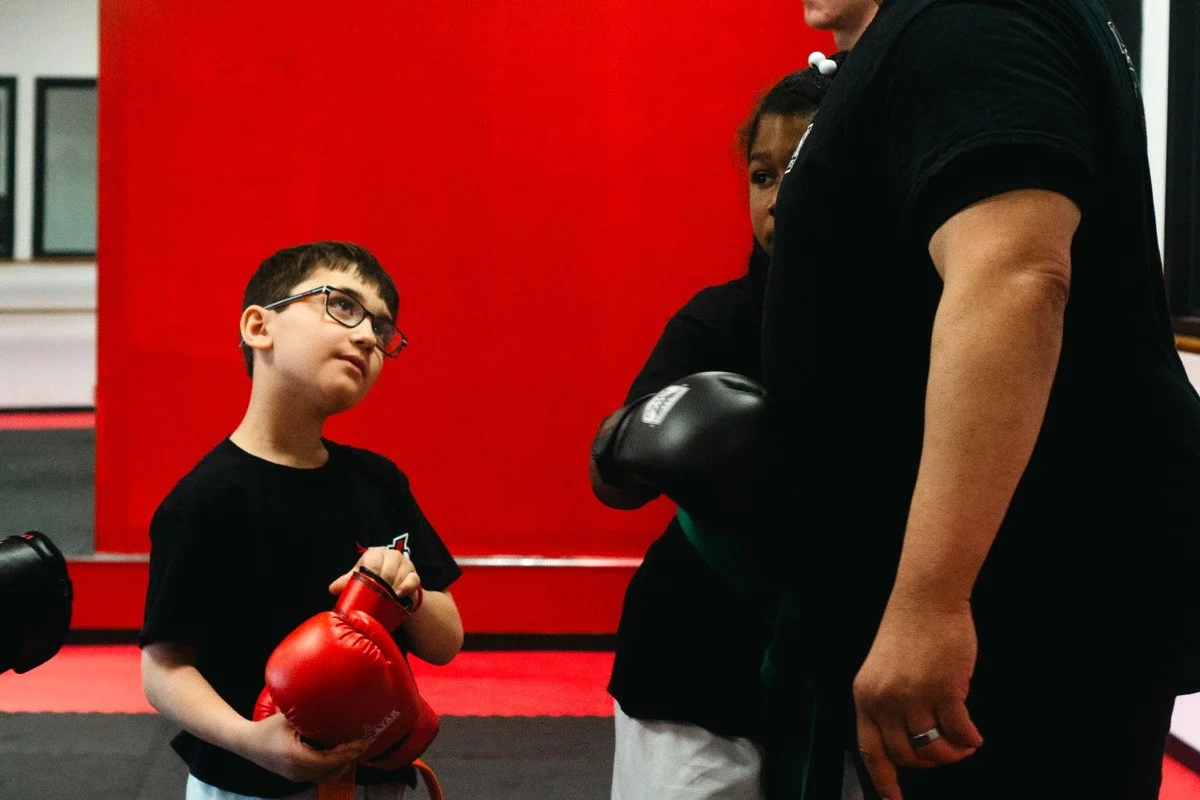
Mistakes Are Part of the Learning Process
Children often associate mistakes with failure. They may become embarrassed when they get something wrong or frustrated when they cannot immediately master a new skill.
Martial arts provides opportunities to change that perspective.
When students begin learning a new technique, they rarely perform it perfectly on their first attempt. They may forget a movement, lose their balance, or need additional guidance from an instructor.
Rather than treating these moments as failures, instructors can use them as opportunities for learning.
Students begin to understand that improvement requires practice, patience, and a willingness to try again.
This mindset can extend into other areas of their lives, helping children approach unfamiliar situations with greater confidence.
Building Resilience Through Challenges
Resilience is the ability to recover from difficulties and continue moving forward. It is an important skill that children will rely on throughout their lives.
In martial arts, students encounter challenges appropriate to their age and experience level.
Sometimes they struggle to remember a sequence of movements. Other times, they may feel disappointed when they are not ready to advance to the next belt.
These experiences provide opportunities to practice managing frustration and maintaining a positive attitude.
With encouragement from instructors and classmates, students learn that disappointment does not have to determine what happens next.
They can take a moment, ask questions, make adjustments, and continue working toward their goals.
Over time, these small experiences can help children become more comfortable facing challenges instead of avoiding them.
Teaching Children to Accept Feedback
Learning how to receive feedback is another important part of personal growth.
For some children, being corrected can feel discouraging. They may interpret feedback as criticism rather than an opportunity to improve.
Martial arts helps students develop a healthier relationship with correction.
During class, instructors regularly demonstrate techniques, observe students, and offer guidance to help them improve their movements.
Students learn that feedback is not a reflection of their worth or abilities. It is simply information they can use to become better.
This understanding can make a difference in the classroom, on sports teams, and eventually in professional environments.
Children who become comfortable receiving constructive feedback may be more willing to ask for help and take responsibility for their own growth.
Learning to Celebrate Progress, Not Perfection
One of the most valuable lessons children can learn is that progress deserves recognition, even when the final result isn't perfect.
In martial arts, improvement often happens gradually.
A student who struggled with a technique last month may suddenly realize they can perform it with greater control. Another student may notice they can concentrate longer or remember instructions more easily.
These accomplishments may seem small, but they represent meaningful growth.
Recognizing these moments helps children understand that success is not always measured by awards, rankings, or achievements.
Sometimes success means showing up, giving your best effort, and making a little progress compared to yesterday.
How Parents Can Encourage a Growth Mindset at Home
Parents play an important role in helping children develop a healthy response to mistakes.
A few simple strategies can reinforce these lessons:
Praise effort and persistence. Recognize the work your child puts into a task rather than focusing entirely on the outcome.
Normalize mistakes. Remind children that everyone makes mistakes, including adults.
Ask thoughtful questions. Instead of immediately solving a problem, ask what they might try differently next time.
Avoid comparing children. Encourage your child to focus on personal improvement rather than someone else's progress.
Celebrate small victories. Acknowledge moments when your child demonstrates patience, courage, or determination.
These everyday conversations can help children develop confidence in their ability to learn and improve.
Work, Improve & Never Quit
At WIN Martial Arts, our philosophy of Work, Improve & Never Quit reminds students that growth is an ongoing process.
We want children to understand that making mistakes does not mean they are incapable. It means they are learning.
Through consistent training, encouragement, and opportunities to overcome challenges, students develop the resilience and determination needed to become strong leaders.
And because we believe the first person every leader must learn to lead is themselves, we encourage students to take responsibility for their choices, attitudes, and efforts.
Our goal is to help children carry these lessons beyond the training floor and into their everyday lives.
We All WIN Together.
Interested in helping your child develop confidence, resilience, and a positive approach to challenges? Contact WIN Martial Arts today to learn more about our youth martial arts programs.
